METABOLIC SUPPORT
COMMUNITY CONFERENCE 2026

PYRUVATE KINASE DEFICIENCY IS ONE OF THE INHERITED METABOLIC DISORDERS. NOW GLOBAL, METABOLIC SUPPORT IS HOLDING ITS COMMUNITY CONFERENCE ON THE 14TH AND 15TH NOVEMBER, BOTH IN PERSON AND ONLINE.
14 NOVEMBER, IN PERSON, BIRMINGHAM, ENGLAND
15 NOVEMBER, ONLINE, GLOBALLY.
THE WHOLE PK DEFICIENCY FAMILY IS WELCOME TO JOIN US AT EITHER OR BOTH EVENTS. WE WILL BE HOLDING A DISORDER SPECIFIC EVENT FOR PEOPLE LIVING WITH PK DEFICIENCY AND THEIR FAMILIES.
CARL LANDER, OUR RESEARCH DIRECTOR HAS BEEN CLOSELY INVOLVED WITH METABOLIC SUPPORT FOR MANY YEARS. HE IS SUPER KEEN TO HOST AS MANY OF OUR AMAZING COMMUNITY MEMBERS A POSSIBLE AT EITHER DAY. THE METABOLIC SUPPORT TEAM IS REALLY FRIENDLY AND SUPPORTIVE, AND THEY WILL GIVE YOU ALL AN AMAZING WELCOME.
PLEASE CLICK THE IMAGE ABOVE FOR THE METABOLIC SUPPORT CONFERENCE PAGE
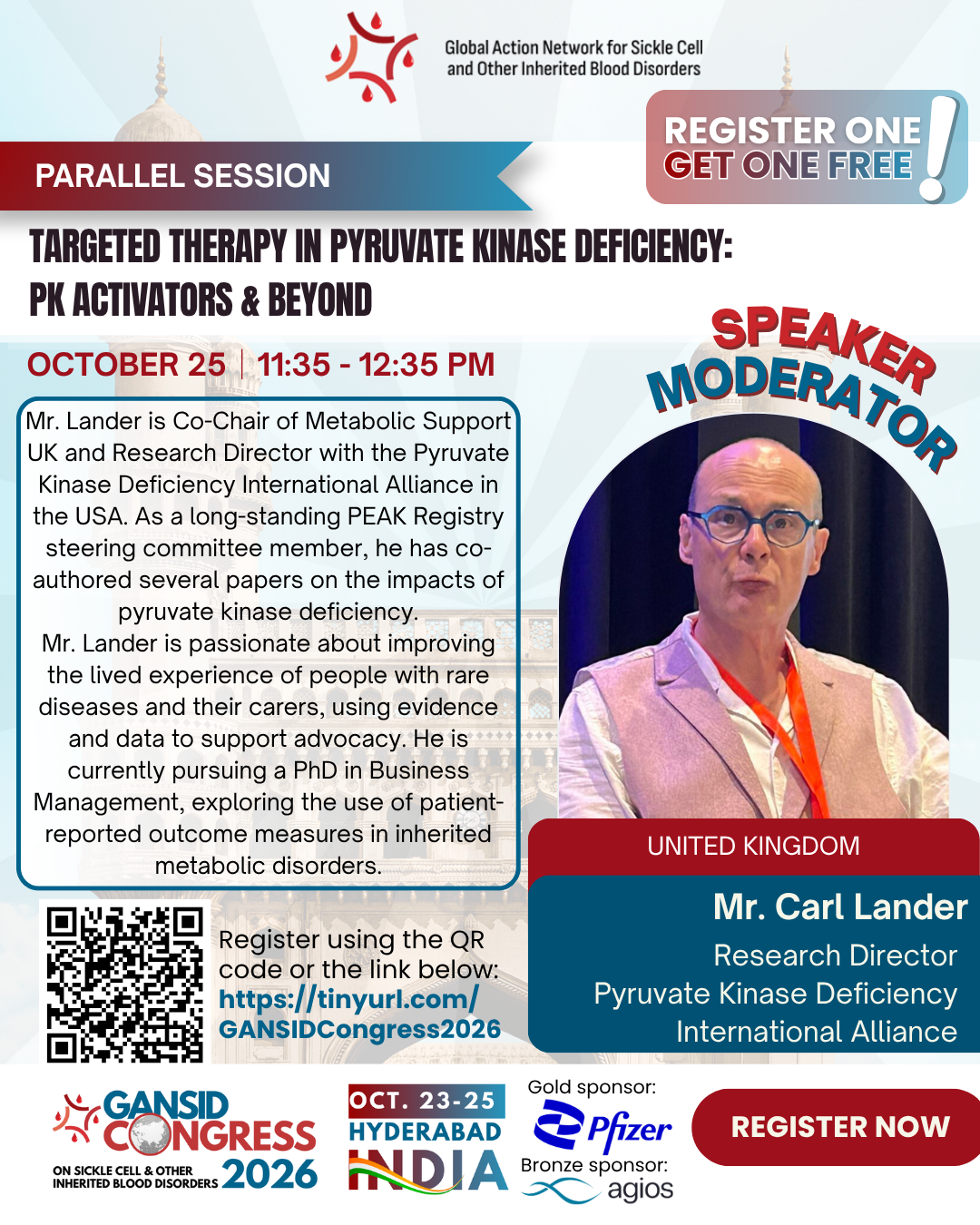

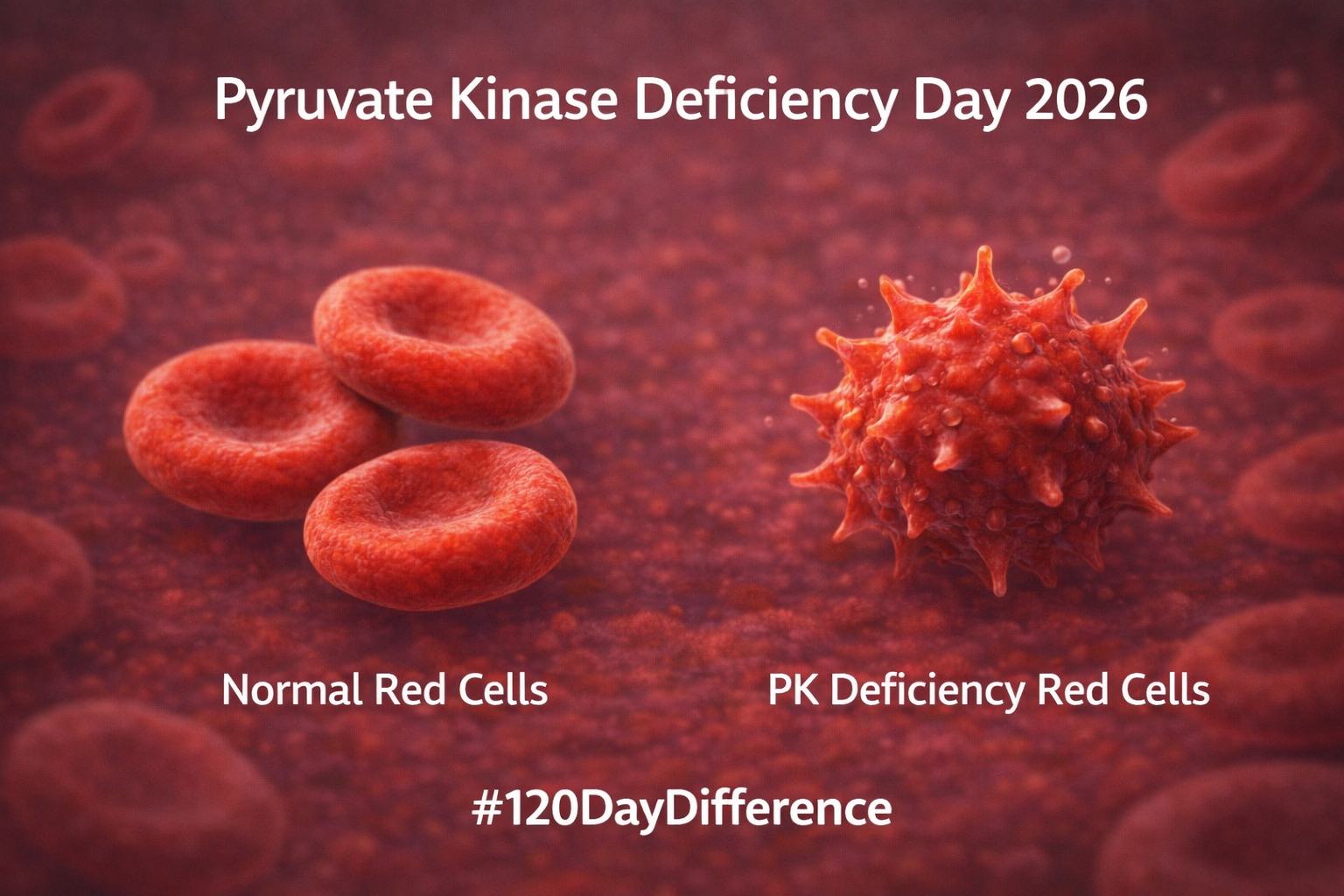
Take a look at our Pyruvate Kinase Deficiency Day 2026 page using the link below.
PKD Day 2026 — Pyruvate Kinase Deficiency International Alliance
We are starting our own research activity
We are developing our research activity and have a number of areas that we wish to explore.
If you have experience of carrying out research and would like to work with us please get in touch via email:
info@pkdia.org
We are seeking like-minded people to join our Board of Directors
Do you have an interest in the lived experience of people and their carers living with pyruvate kinase deficiency? If so, we’d love to hear from you.
You don’t need particular skills but a willingness to work together to help drive our work to improve the lives of those living with PK Deficiency. If you happen to have finance or communications experience, that would be hugely welcomed.
We’re recruiting members of our Community Advisory Board
The CAB will be a forum for discussion, creating ideas of what PKDIA will do and then supporting the work to deliver these aims.
The CAB will meet remotely, which means people can join from across the globe, to help make us an even stronger international community.

Our 2026 - 2030 Strategy has been launched…
January is Blood Donation Month across the USA. However, at PKDIA we think we should promote this globally.
We know the value of a blood donation, but we also know you may feel its a big thing to do. We understand how you may feel, which is why we encourage, not insist.
If you are considering donating blood we have put some links for you to find a local blood donation centre. The list is not exhaustive, if you have any other links you want us to add please get in touch with us (info@pkdia.org).
We send a heartfelt thank you to everyone who donates blood. You save lives and improve lives; our gratitude is endless.
Thank you.

Clinical Monitoring Practices Among Adult Patients with Pyruvate Kinase Deficiency Who Have Never Been Transfused
Carl Lander, our Research Director, is a member of the Peak registry steering committee, which published an abstract at the American Society of Haematology Meeting in Orlando, Fl in December 2025. As senior author, Carl had significant input into the develeopment of this abstract.
The abstract used both the PK deficiency natural history study and Peak registry data to assess compliance with the 2024 PK deficiency diagnosis and management international guidelines. It was concluded that for the period of time the data covers, the monitoring of complications falls short of the recommendations in the guidelines.
The full abstract can be found by clicking on the image below. All rights remain with ASH as the publisher of the journal Blood.